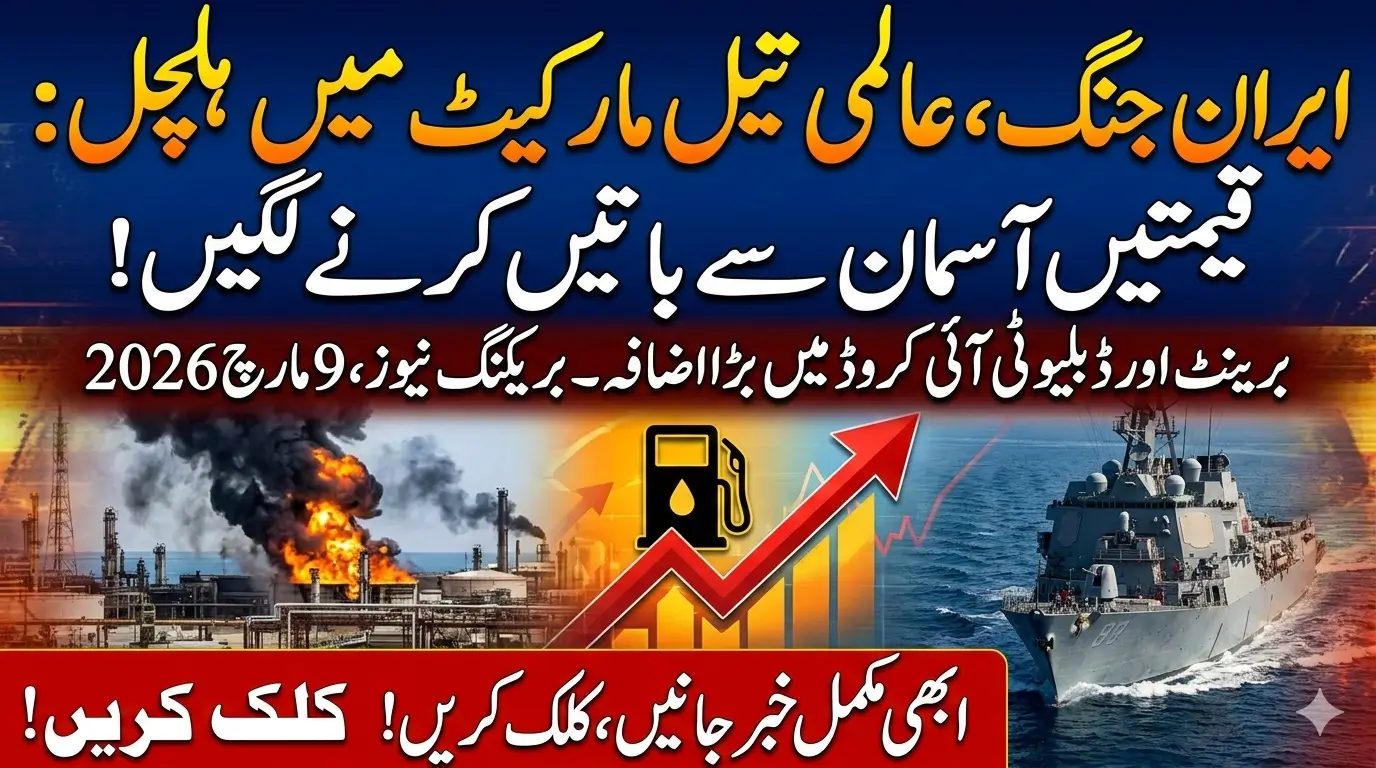

International Oil Prices Update Amid Iran War – Global Market Report March 9, 2026
International Oil Prices Update Amid Iran War
The global oil market is facing unprecedented volatility on March 9, 2026, as rising tensions in Iran have sent shockwaves across energy markets. Geopolitical concerns, supply uncertainties, and disruptions in key shipping routes are pushing crude oil prices sharply upward, impacting economies worldwide.
Current Trends in Oil Prices
Oil prices have experienced a sudden increase amid the Iran conflict. Crude oil benchmarks such as Brent and West Texas Intermediate (WTI) are both seeing significant gains. This upward trend is fueled by concerns about potential disruptions to oil supply, especially from the Middle East, which produces a large share of the world’s oil. Traders and investors are reacting to the possibility of reduced exports, which has created a short-term spike in global oil costs.
Factors Driving Price Surges
Several factors are contributing to the rapid rise in oil prices:
- Geopolitical tension: Military activity in Iran and the surrounding region has created uncertainty about the stability of oil production.
- Shipping risks: The Strait of Hormuz, a critical chokepoint for global oil transport, faces potential closures or threats, affecting the safe delivery of crude.
- Supply constraints: Countries in the region may reduce production as a precaution, creating a supply shortage that drives prices higher.
- Market speculation: Investors are factoring in these risks, which amplifies price movements in futures markets.
These factors combine to create a volatile environment, making energy prices highly sensitive to news and regional developments.
Global Economic Impact
Rising oil prices affect not only energy markets but also the broader economy. Higher crude costs often lead to:
- Increased gasoline and diesel prices for consumers.
- Higher transportation and shipping costs, which can raise prices for goods globally.
- Inflationary pressures on economies already struggling with fluctuating markets.
- Stock market volatility as investors respond to uncertainty.
Governments may consider emergency measures, such as releasing oil reserves or coordinating production among major suppliers, to stabilize markets.
Quick Facts
| Indicator | Current Status |
| Brent Crude | Sharp increase, approaching multi-year highs |
| WTI Crude | Strong upward trend following global tension |
| Key Risk | Shipping disruptions in the Middle East |
| Market Reaction | Volatile trading and rising commodity prices |
Outlook
The short-term outlook for oil markets remains uncertain. If geopolitical tensions continue or escalate, oil prices could remain high or rise further. Conversely, a de-escalation or diplomatic resolution could stabilize prices. Analysts advise businesses and consumers to prepare for potential fluctuations and higher costs in the near term.
Conclusion
On March 9, 2026, the global oil market is experiencing significant turbulence due to the ongoing conflict in Iran. Supply fears, shipping risks, and geopolitical uncertainty are driving crude oil prices upward, impacting economies and consumers worldwide. Careful monitoring and strategic planning will be essential as the situation develops and global markets react.
Read More